October 7, 2026
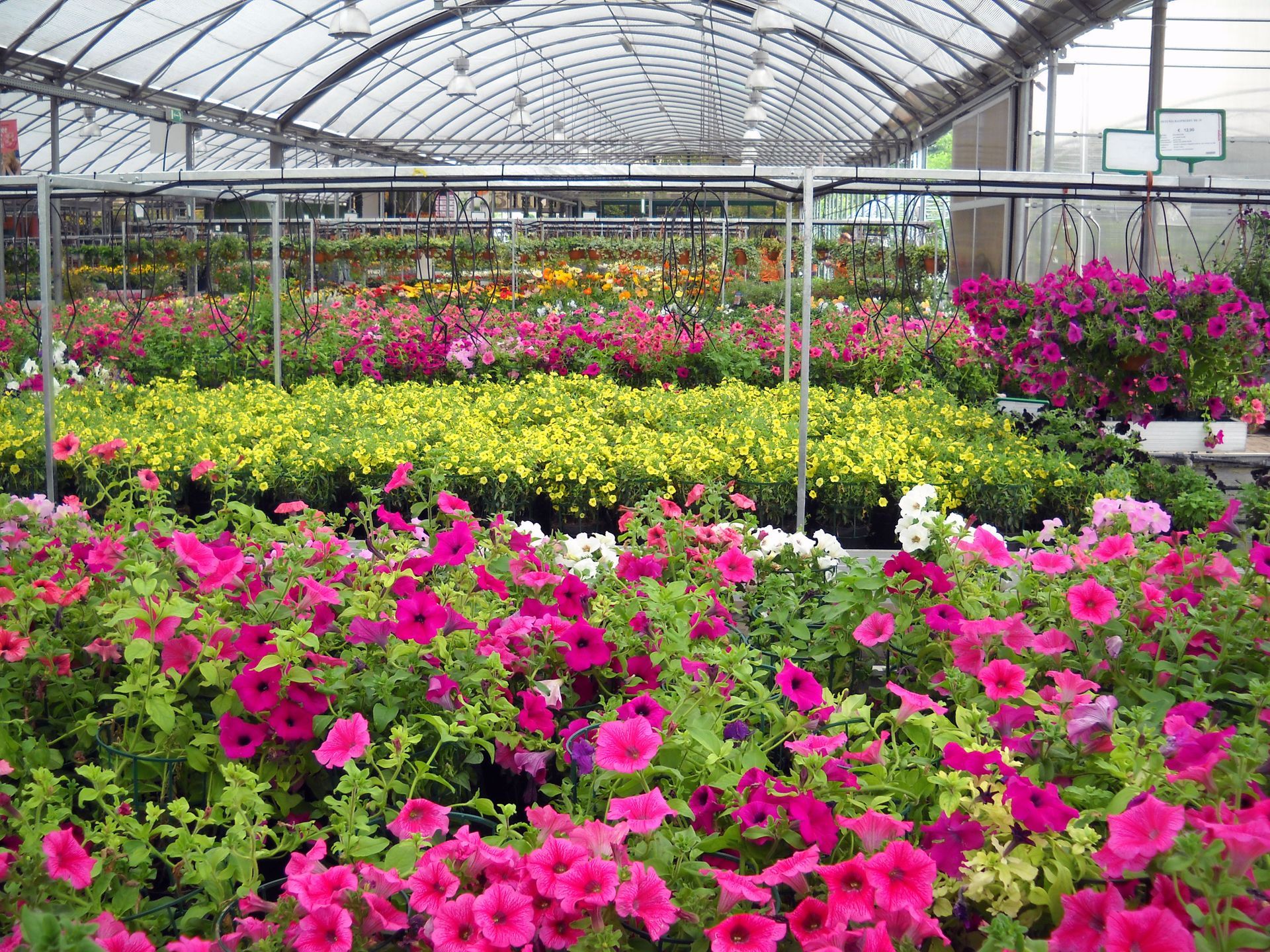
Cultivating vibrant vegetation inside a controlled environment requires a lot of attention, proper management techniques, and continuous care. While an enclosed space shields fragile plants from harsh external weather elements, maintaining a pristine growing sanctuary demands deliberate effort and precise environmental balancing. Successful growers continuously monitor various physical variables, ensuring every seedling receives optimal nutrition, moisture, airflow, and warmth throughout its development lifecycle. Investing in dependable agricultural supplies ensures that your infrastructure remains efficient, clean, and capable of supporting vigorous biological growth across every season. By establishing structured maintenance routines, growers can consistently produce bountiful harvests and prevent destructive biological issues.
Managing Temperature and Climate Controls
Maintaining consistent ambient conditions throughout the growing space prevents unnecessary physiological stress while encouraging uniform leaf development. Modern climate control equipment paired with suitable agricultural supplies allows operators to regulate heat retention and ventilation effectively during seasonal shifts. According to AtlasScientific, the majority of greenhouse crops thrive in temperatures between 64 and 75 ºF. When ambient conditions stray outside this target range, photosynthetic efficiency drops sharply, leaving vulnerable foliage susceptible to environmental damage. Automated thermal shades, exhaust fan systems, and heating units work in harmony to maintain ideal conditions. Precise climate management ultimately strengthens plant immunity, accelerating steady development throughout the active season.
Monitoring Soil Moisture and Watering Schedules
Delivering accurate hydration prevents dangerous root drowning while ensuring plants access essential dissolved minerals effortlessly. Automated drip irrigation tubing and specialized agricultural supplies ensure uniform moisture distribution across every container row. Overwatering saturates soil pore spaces, restricting crucial oxygen transfer directly to root zones and promoting anaerobic fungal pathogens. Conversely, severe underwatering causes permanent cellular damage, leading to withered leaves, stunted blossoms, and reduced yield quality. Installing reliable moisture sensors helps growers establish data-driven watering routines that adapt seamlessly to fluctuating daily sunshine levels. Proper moisture tracking fosters resilient root architecture capable of sustaining heavy crop yields.
Balancing Soil Nutrients With Precision
Providing balanced fertilizer mixes ensures plants maintain optimal cellular strength, rich foliage color, and robust blossom production. Sourcing high-grade growing media alongside reliable agricultural supplies enables growers to tailor mineral formulas for specific vegetative stages. Nitrogen supports lush leafy canopy expansion, phosphorus fuels early root formation and flower initiation, while potassium enhances overall disease resistance. Frequently testing substrate pH levels prevents nutrient locking, ensuring roots absorb applied macro and micro elements efficiently. Diligent fertilization schedules eliminate growth bottlenecks, enabling crops to express their full genetic potential without risking toxic mineral build-up within closed growing systems.
Enhancing Air Circulation Through Ventilation
Promoting continuous internal air movement eliminates stagnant pockets of high humidity around dense plant canopies. Overhead circulation fans, side vents, and specialized agricultural supplies help maintain fresh airflow across every leaf surface. Stagnant, humid conditions create an ideal breeding ground for airborne fungal spores such as powdery mildew and botrytis blight. Continuous air movement strengthens plant stems' structural integrity by subjecting stems to gentle, beneficial physical mechanical stimulation. Furthermore, proper exchange of ambient air ensures a steady supply of carbon dioxide required for efficient photosynthesis. Strategic ventilation practices drastically lower disease pressure without requiring harsh chemical treatments.
Inspecting Crops for Early Pest Detection
Observing plant foliage daily enables growers to identify destructive insect infestations before populations explode uncontrollably. Utilizing sticky traps, hand lenses, and proper agricultural supplies allows managers to monitor tiny invaders like thrips, aphids, and spider mites. Catching pest outbreaks early protects surrounding crops from widespread damage and minimizes the need for drastic chemical interventions. Integrating biological controls, such as beneficial predatory mites, provides an eco-friendly defense mechanism within enclosed growing structures. Consistent physical inspections guarantee that minor pest sightings are addressed promptly, preserving plant health, foliage integrity, and overall commercial crop value.
Practicing Proper Sanitation Techniques From Start to Finish
Cleaning all tools, benches, and containers between growing cycles prevents persistent pathogens from infecting subsequent harvests. Sterilizing propagation trays, shears, and structural components stops dormant fungal spores and bacterial colonies from spreading quietly. Removing decaying plant debris promptly eliminates potential breeding grounds for harmful insects and destructive microbial rots. Educating worker staff on clean handling procedures ensures disease agents are not accidentally transferred from external fields into clean enclosed bays. Establishing rigorous daily sanitation habits safeguards crop health, extends equipment lifespan, and maintains a clean, highly productive growing environment.
Optimizing Natural Light Exposure
Maximizing daily photosynthetically active radiation encourages strong structural growth, vibrant leaf color, and high yield output. Cleaning exterior glazing materials regularly removes accumulated dust, soot, and mineral spots that obstruct incoming natural light rays. Installing supplemental LED lighting fixtures helps maintain adequate photoperiods during short winter days or prolonged cloudy weather events. Strategic arrangement of crop benches prevents taller plant varieties from shading out smaller, light-sensitive seedlings nearby. Balancing natural sunlight with supplemental illumination supports steady photosynthetic activity, driving rapid crop development, sturdy stem formation, and superior floral development year-round.
Regulating Relative Humidity Levels
Controlling ambient moisture content inside an enclosed shelter prevents dangerous leaf condensation and destructive mold spore germination. Operating automated dehumidifiers alongside high-capacity exhaust fans helps remove excess transpired moisture during humid evening hours. Maintaining moderate humidity levels allows plant stomata to function efficiently, encouraging smooth transpiration and steady nutrient uptake from the soil. Extreme humidity fluctuations stress sensitive crops, leading to physiological disorders like calcium deficiency tip burn. Monitoring relative humidity with calibrated hygrometers enables precise environmental adjustments, maintaining an optimal microclimate that supports uninterrupted biological growth.
Pruning Excess Foliage for Structure
Removing unwanted suckers, lower leaves, and crowded stems improves internal canopy airflow and optimizes light penetration. Using sharp, disinfected pruning shears allows growers to make clean cuts that heal quickly without inviting opportunistic fungal infections. Eliminating dense, unproductive lower foliage redirects valuable plant energy toward developing fruit clusters and top growing points. Strategic canopy thinning reduces overall humidity microclimates hidden within dense leaf structures, suppressing hidden pest populations. Timely plant training creates well-organized crops that are easier to inspect, harvest, and maintain throughout their entire productive lifespan.
Implementing Comprehensive Record Keeping
Documenting daily temperature logs, irrigation volumes, nutrient applications, and pest sightings helps refine future cultivation strategies. Keeping detailed records enables growers to identify repeating seasonal patterns, evaluate crop performance, and correct recurring operational errors promptly. Tracking historical environmental data assists in fine-tuning automated climate control settings for optimal energy efficiency and crop output. Analyzing past yield metrics allows farm managers to select superior plant varieties that thrive best in specific greenhouse conditions. Thorough documentation transforms routine daily observations into valuable actionable insights, elevating long-term farm management standards and overall yield consistency.
Sustaining healthy greenhouse crops demands constant vigilance, structured daily routines, and an absolute commitment to environmental management. By carefully controlling ambient temperatures, balancing soil nutrients, regulating humidity, and prioritizing strict sanitation protocols, growers create an ideal sanctuary for maximum plant vigor. Incorporating reliable tools and proactive monitoring strategies shields valuable crops from unpredictable pest outbreaks and devastating fungal diseases. Every proactive effort made inside the growing structure translates directly into stronger plants, higher crop yields, and superior harvest quality. Continuing to refine these core management skills ensures long-term agricultural prosperity across every growing cycle.
Are you seeking
agricultural supplies for your garden or farmland in Greencastle, PA, and the surrounding areas? Horstdale Farm Supply LLC has all of your agricultural supply needs! Contact or visit us today to learn more or browse our supplies!